2 year – 3 years

Twos Program in Winter Springs, FL

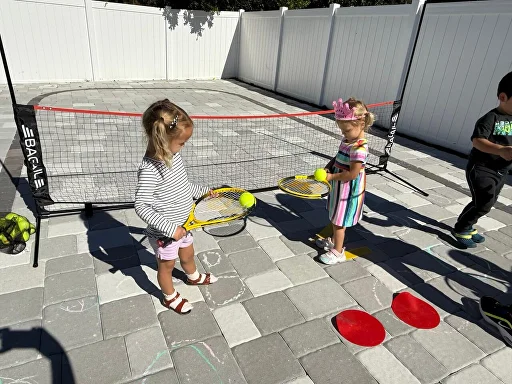
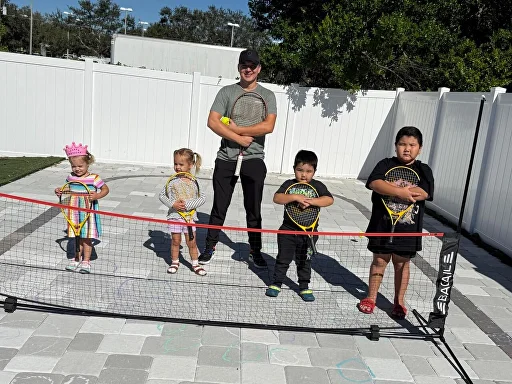
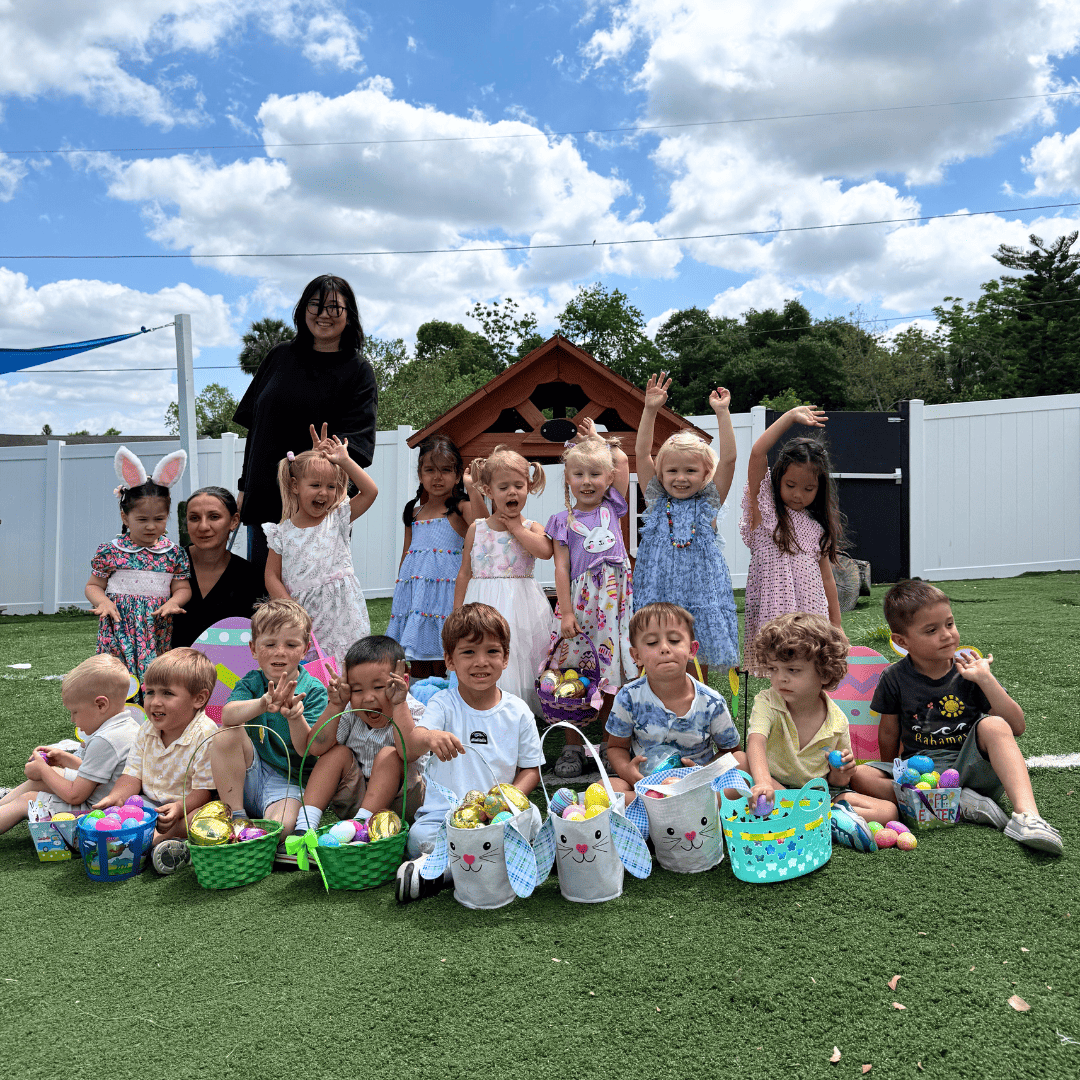
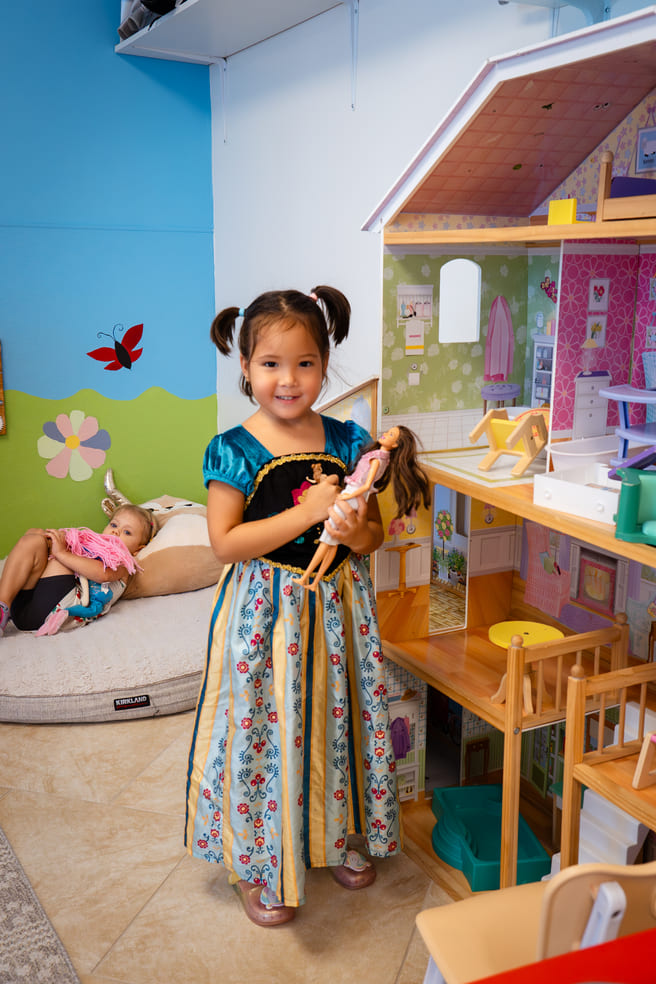
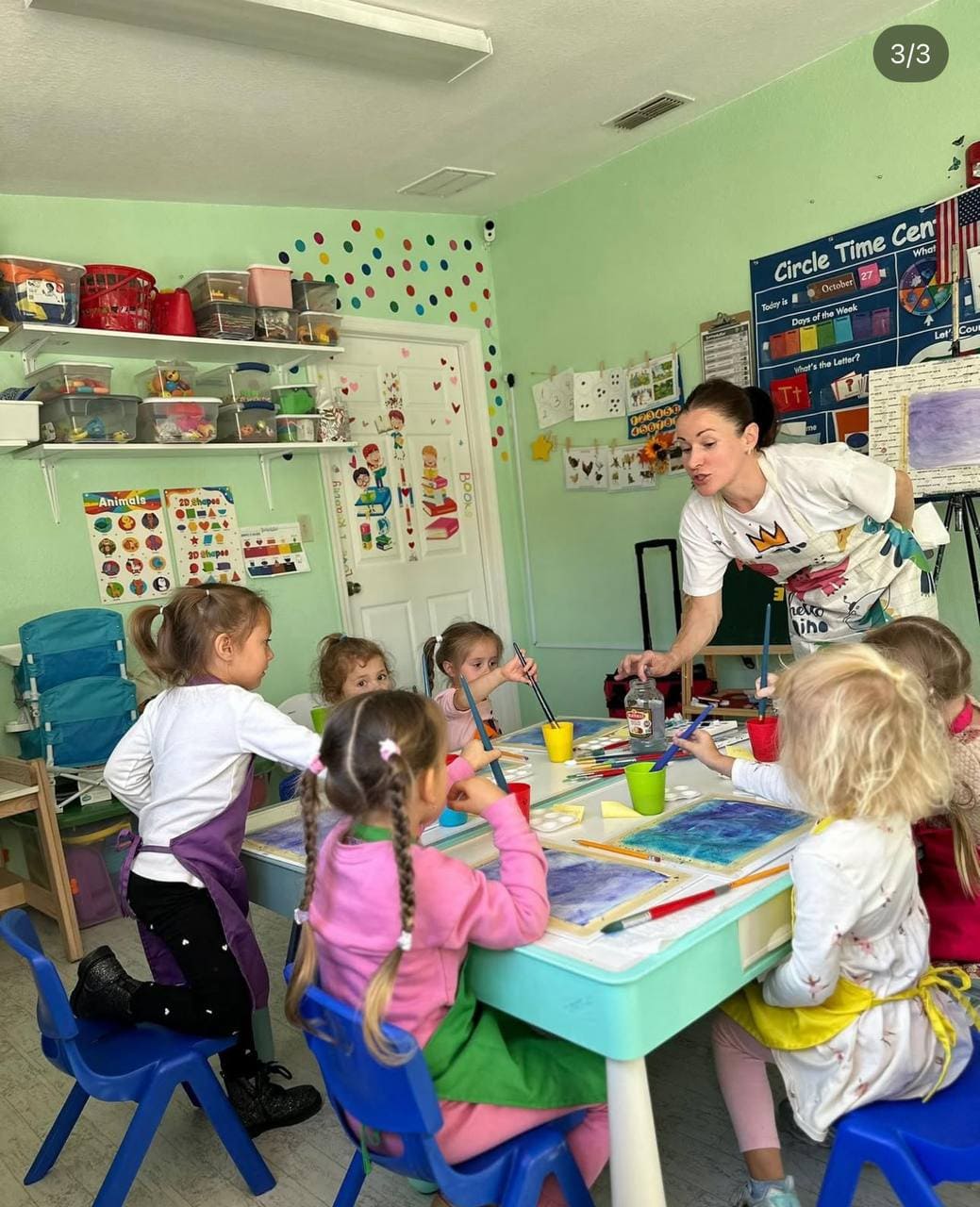
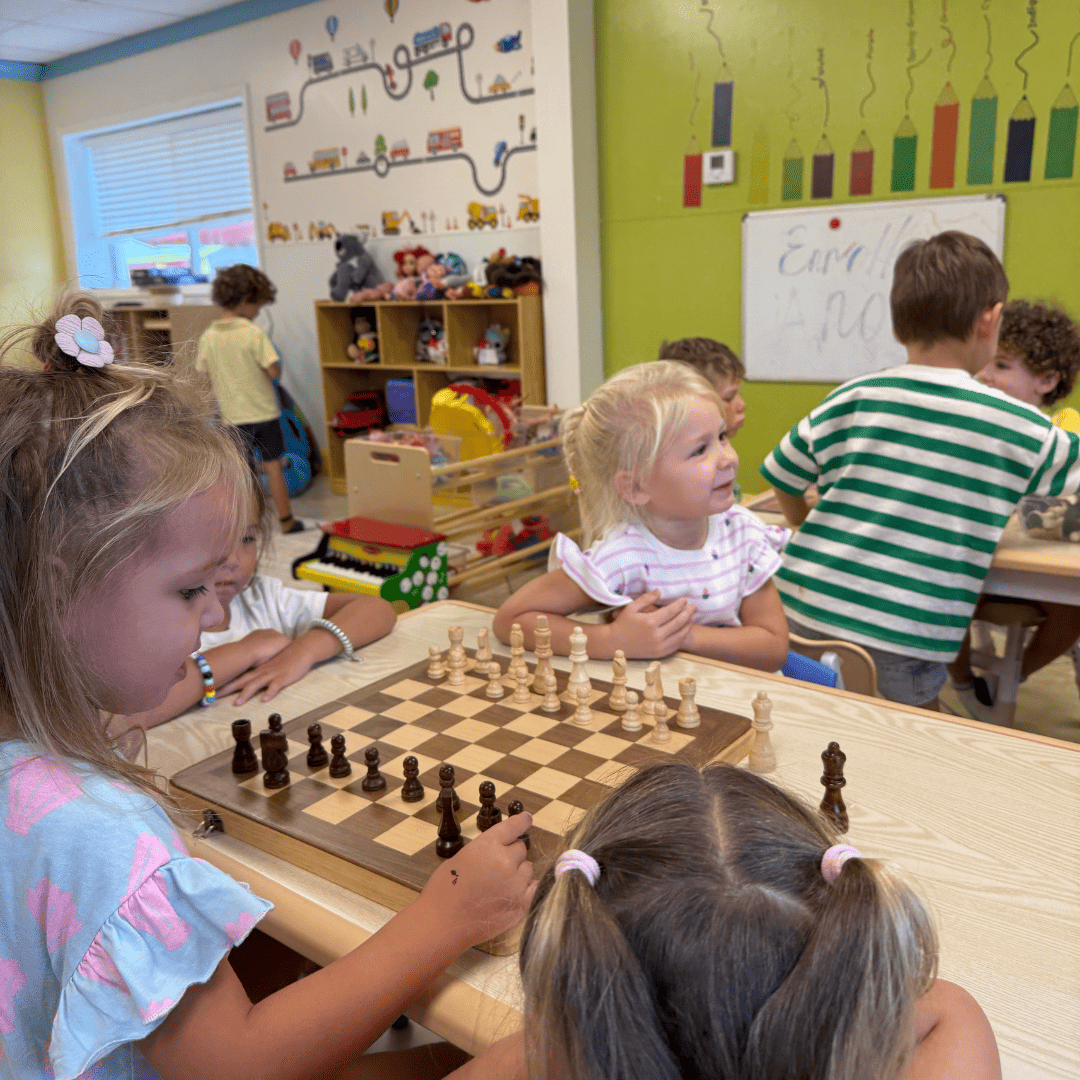
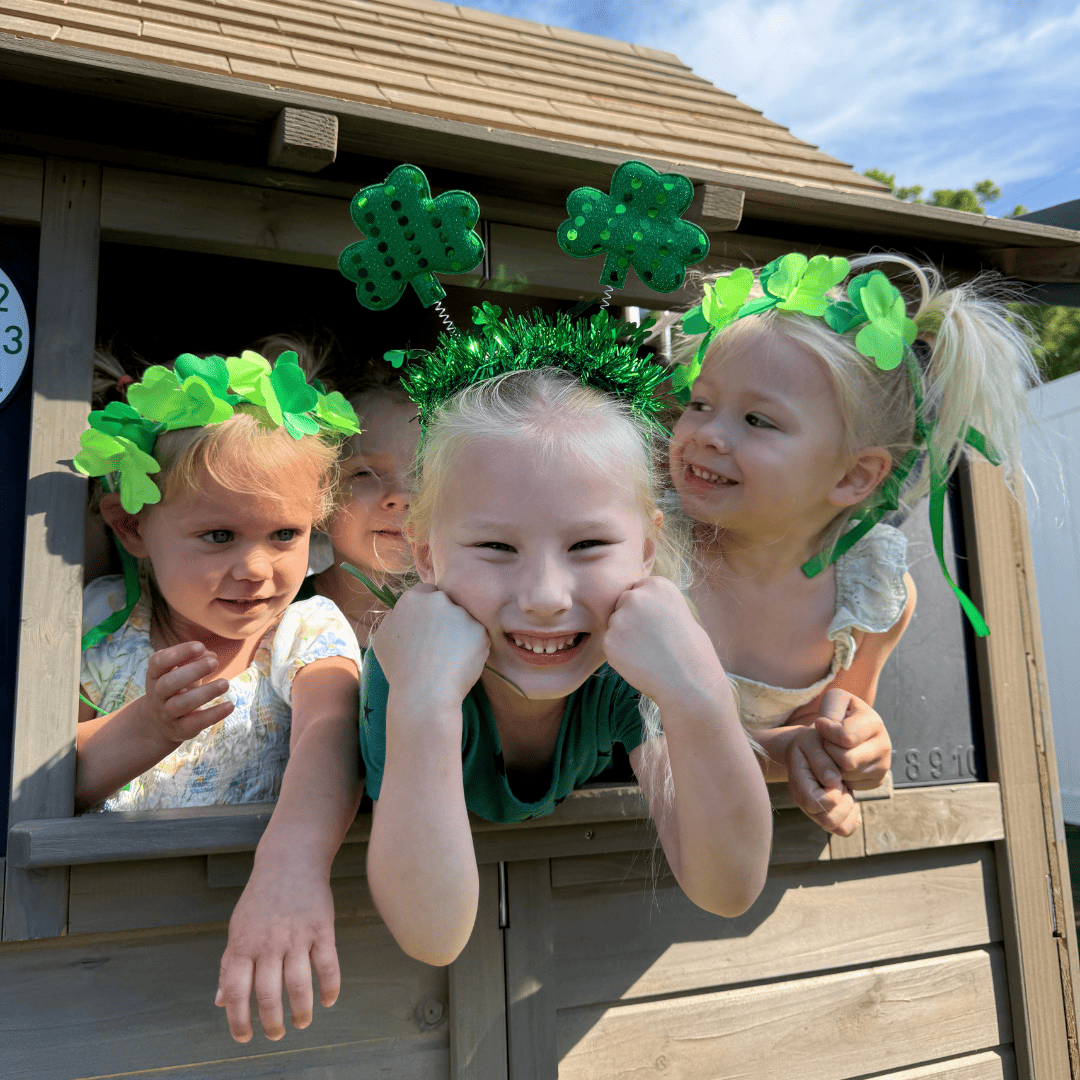
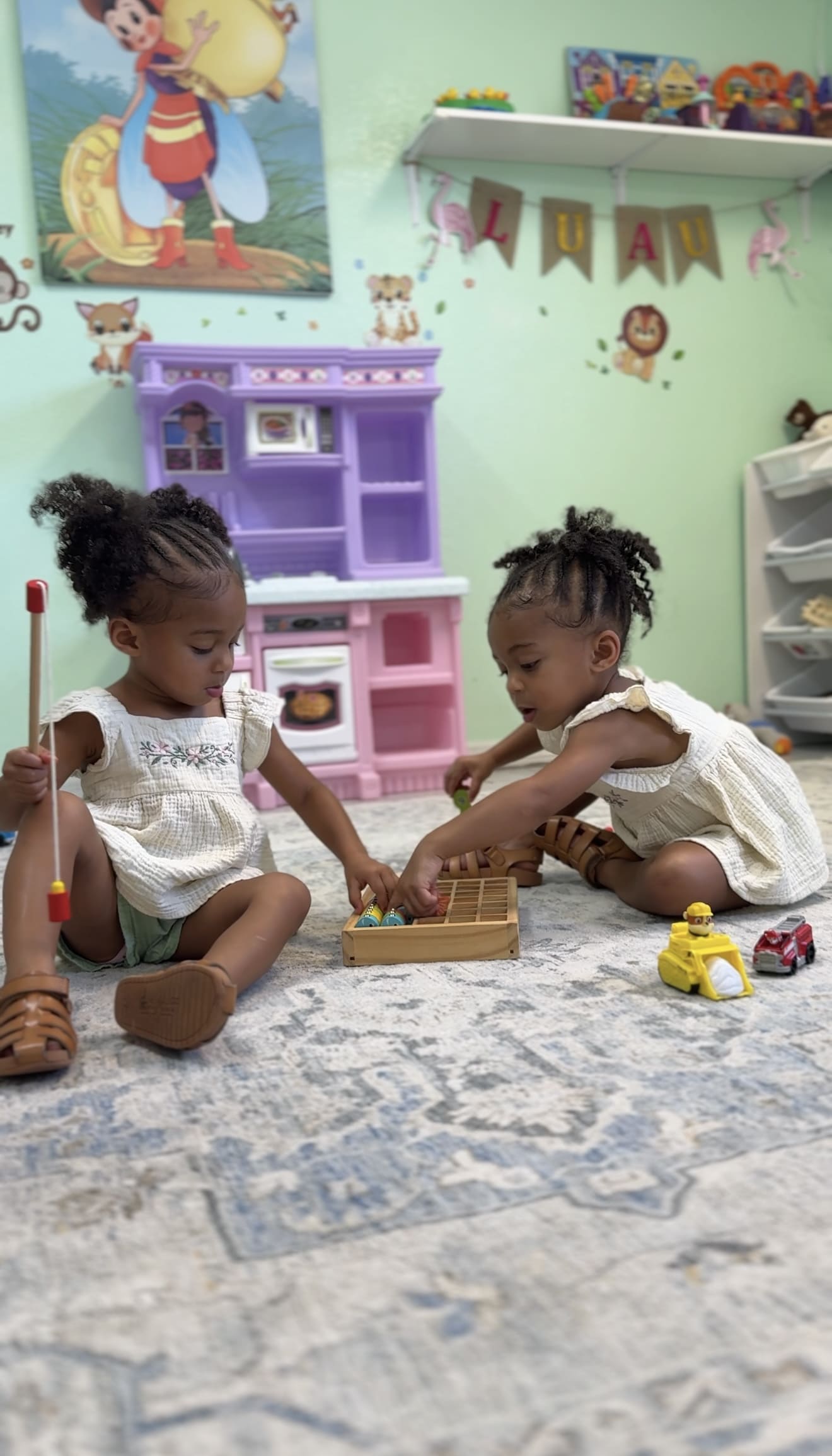
Some mornings begin with a shy wave. Others with a sprint. Our early preschool for 2–3 year olds meets both – language blooming, small hands trying big things, and gentle routines that make the day feel safe, not scripted. Curiosity first. Then everything else.
Confident, curious, and cared for - every child, every day.

Our activities

What your baby will experience

Social-Emotional Development

Learning to share, cooperate, and express emotions. Building self-confidence through positive interactions


Physical Development

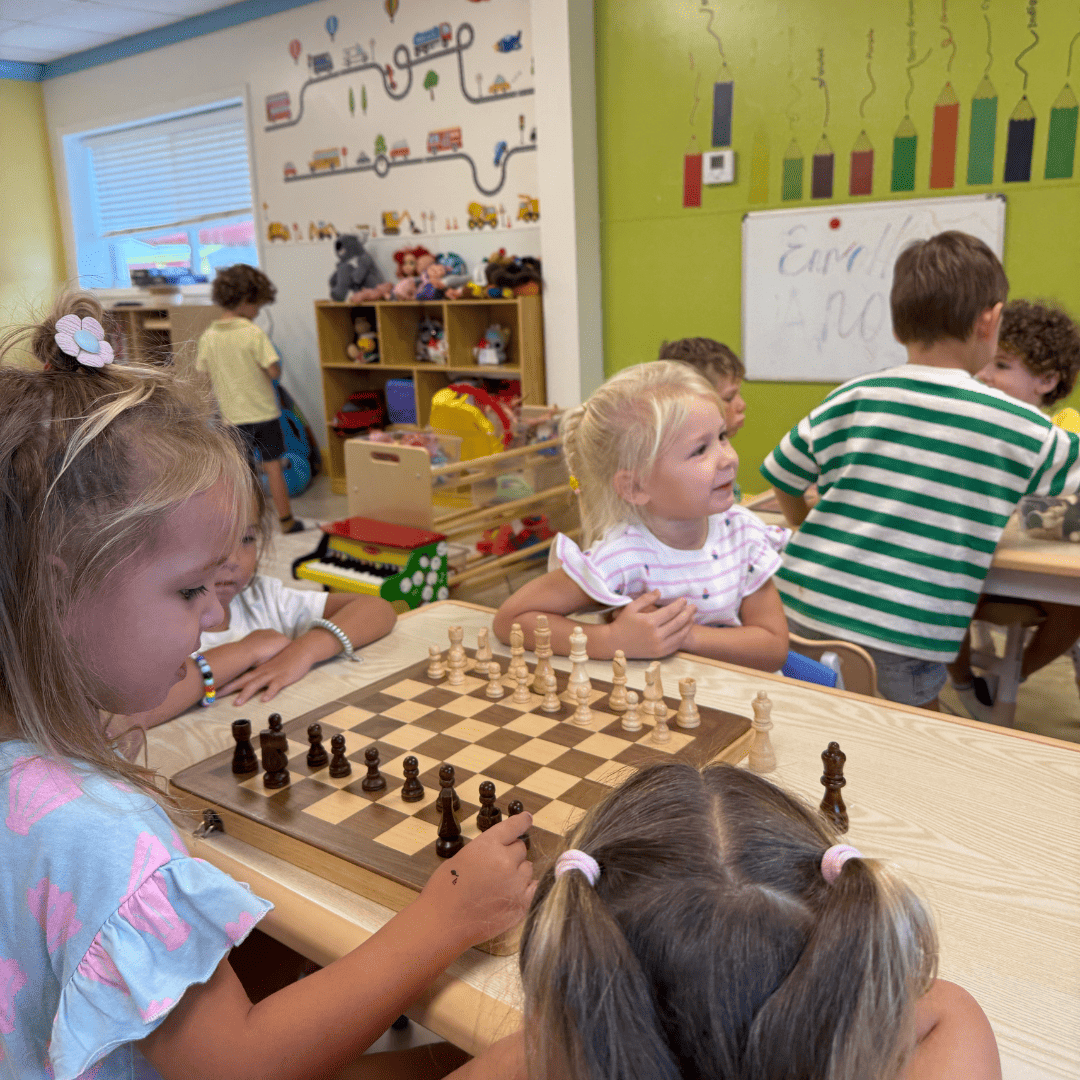
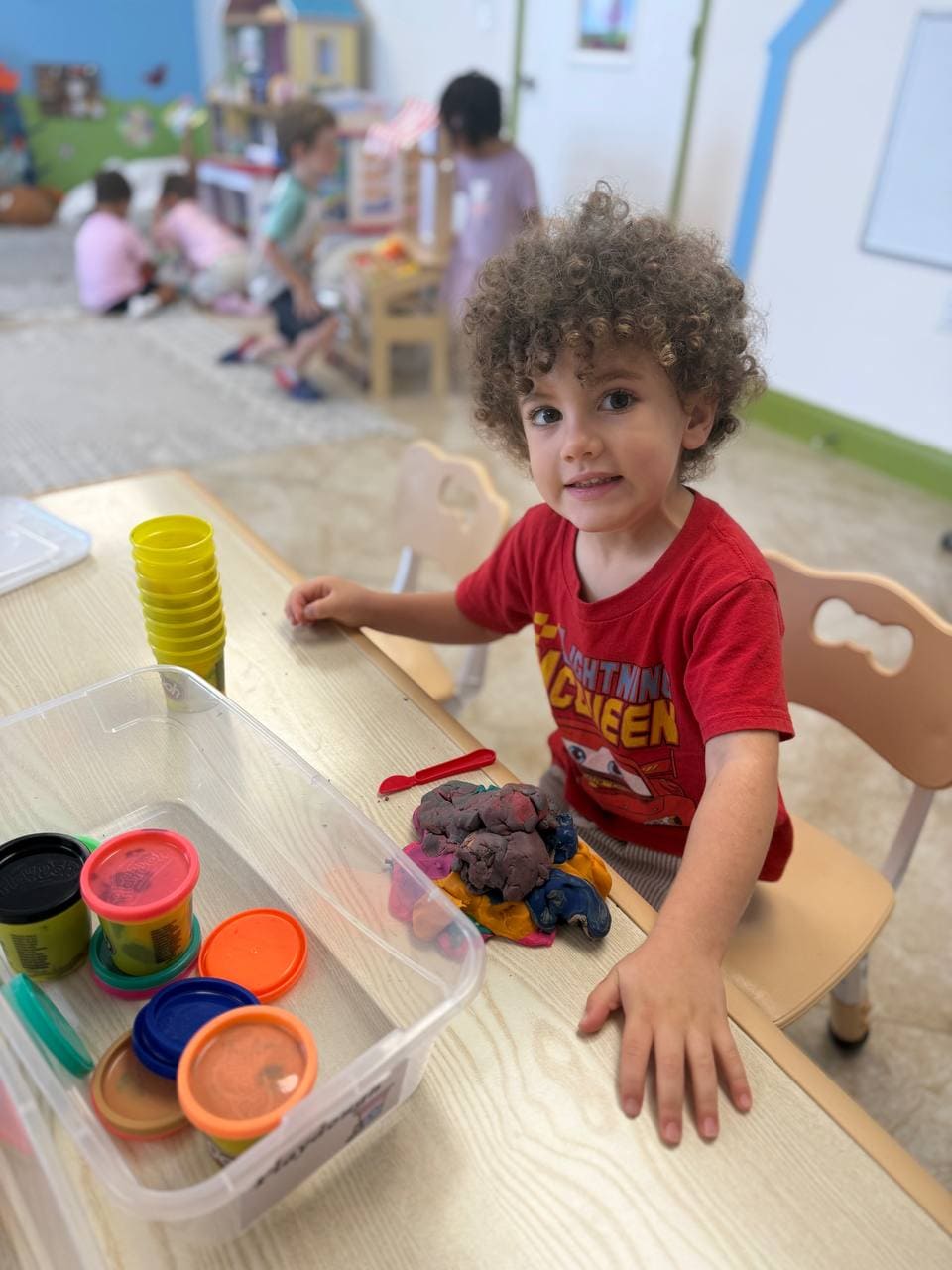
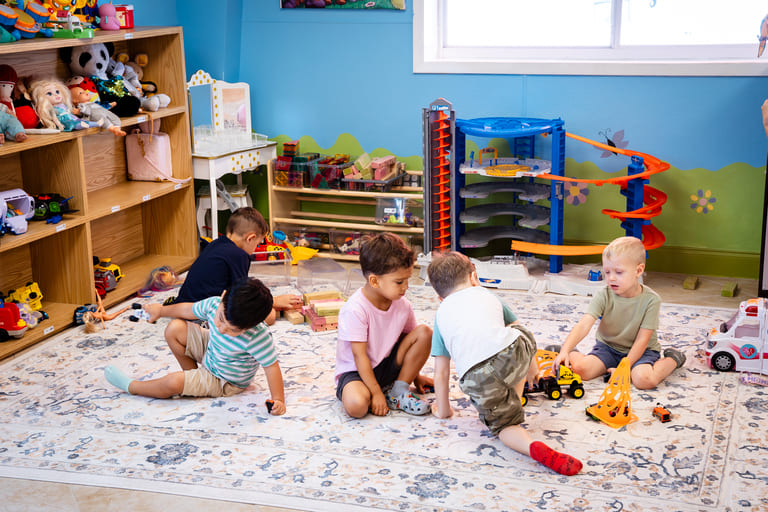
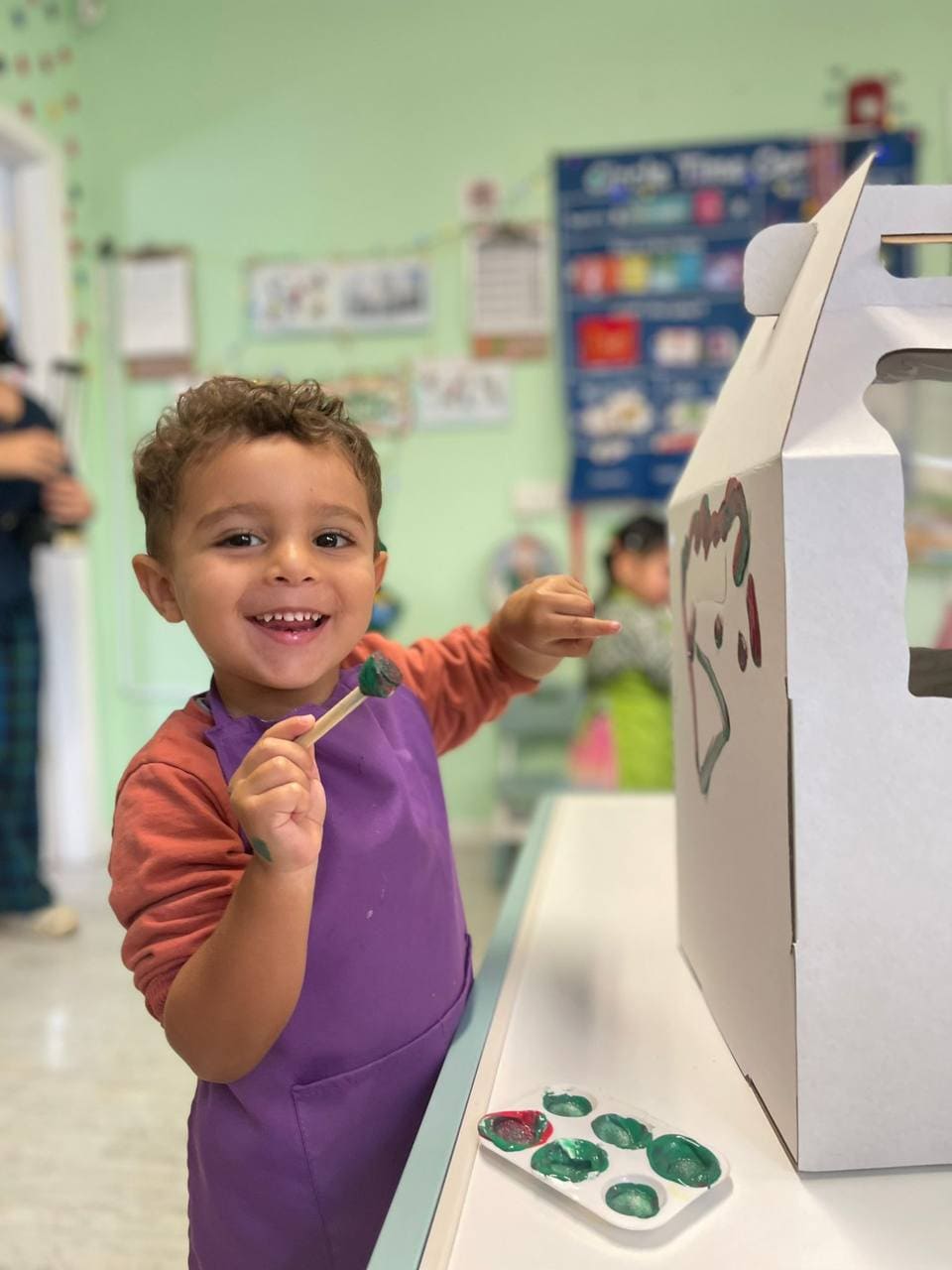
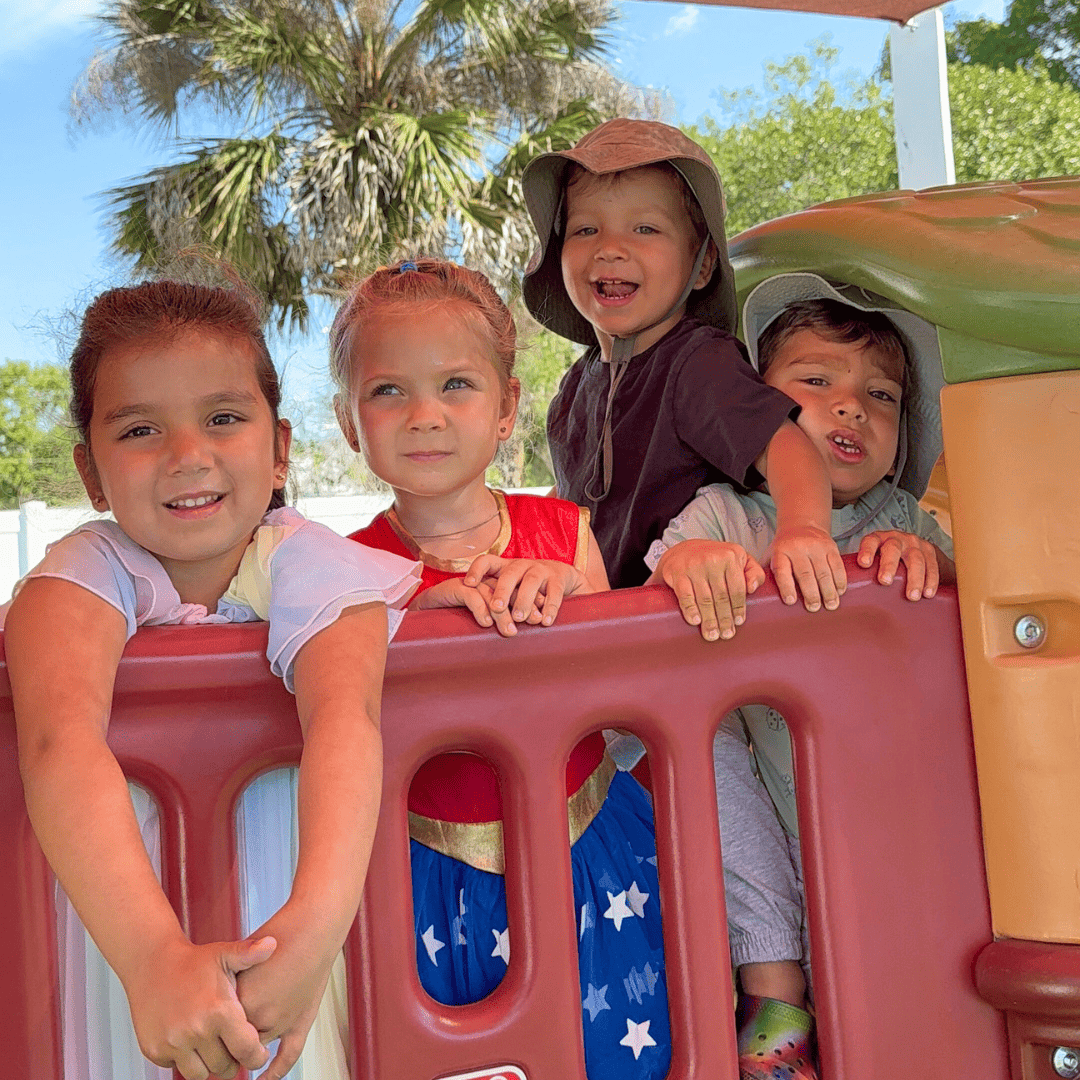
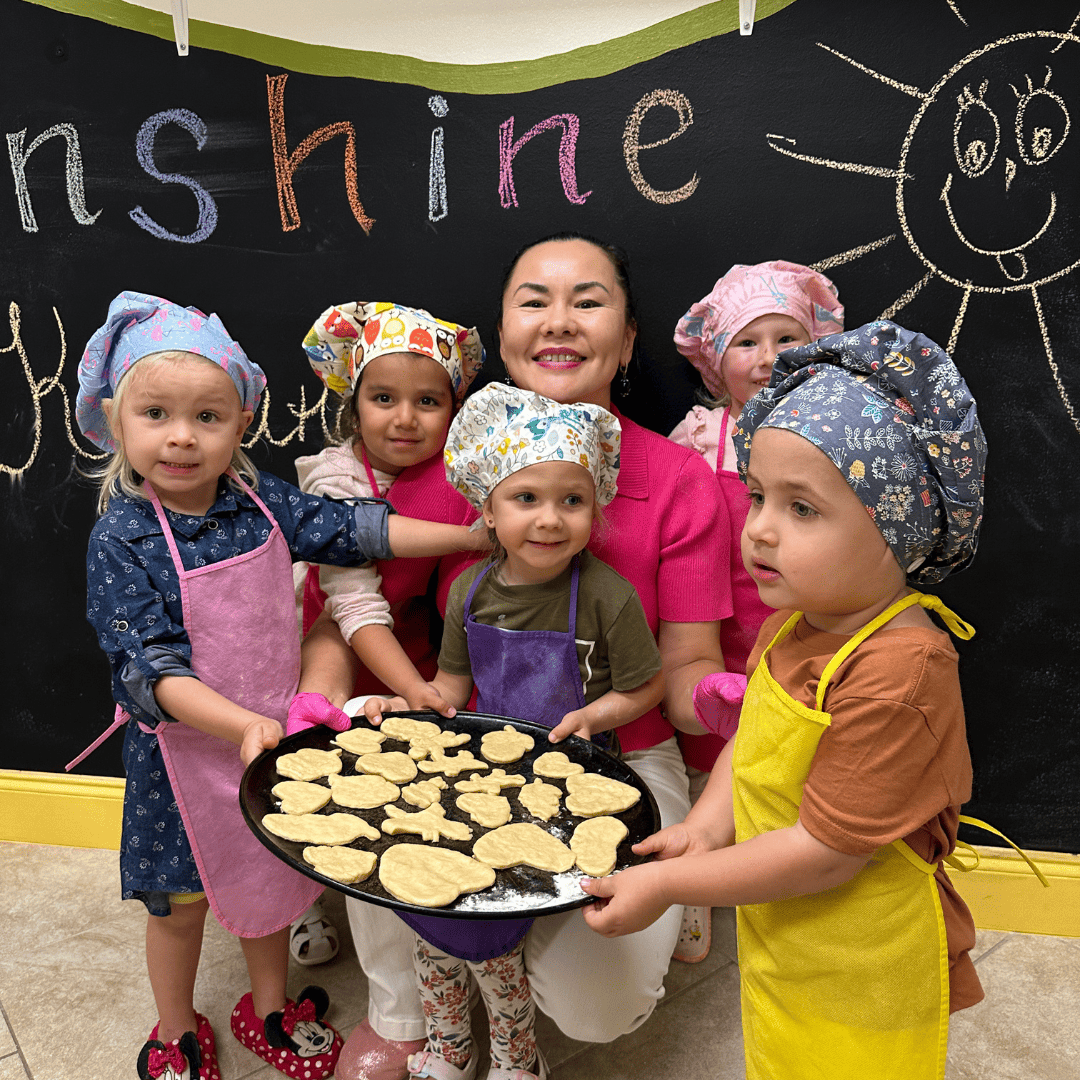
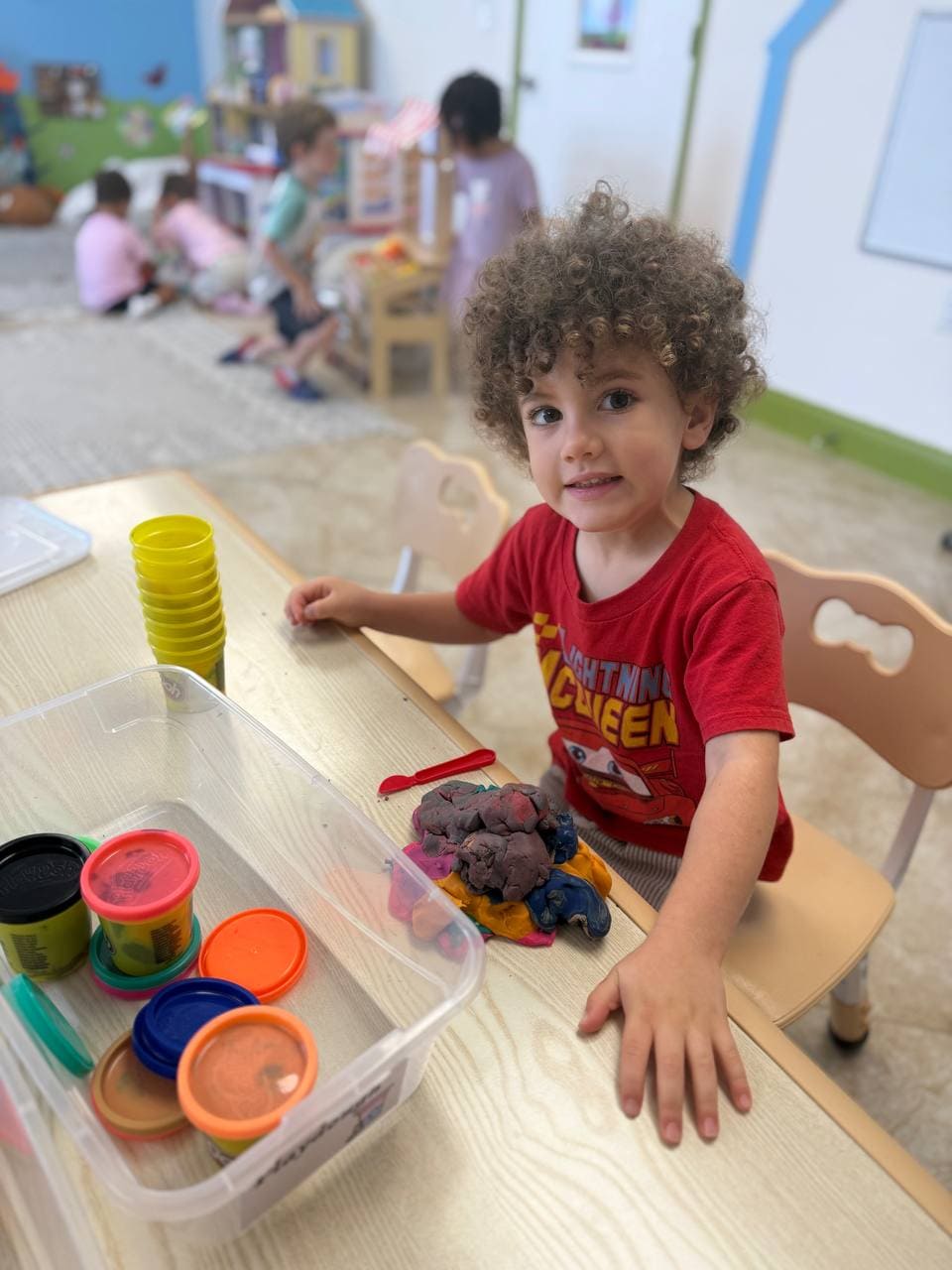
Active play to develop gross motor skills (running, jumping, climbing). Creative activities to improve fine motor skills (drawing, sculpting, puzzles)

Cognitive Development

Sorting, matching, and solving simple problems. Introduction to numbers, shapes, and colors

Language Development

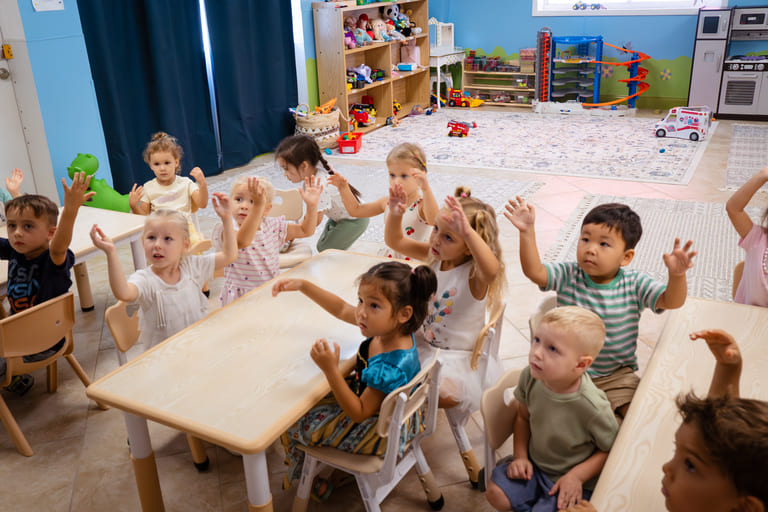
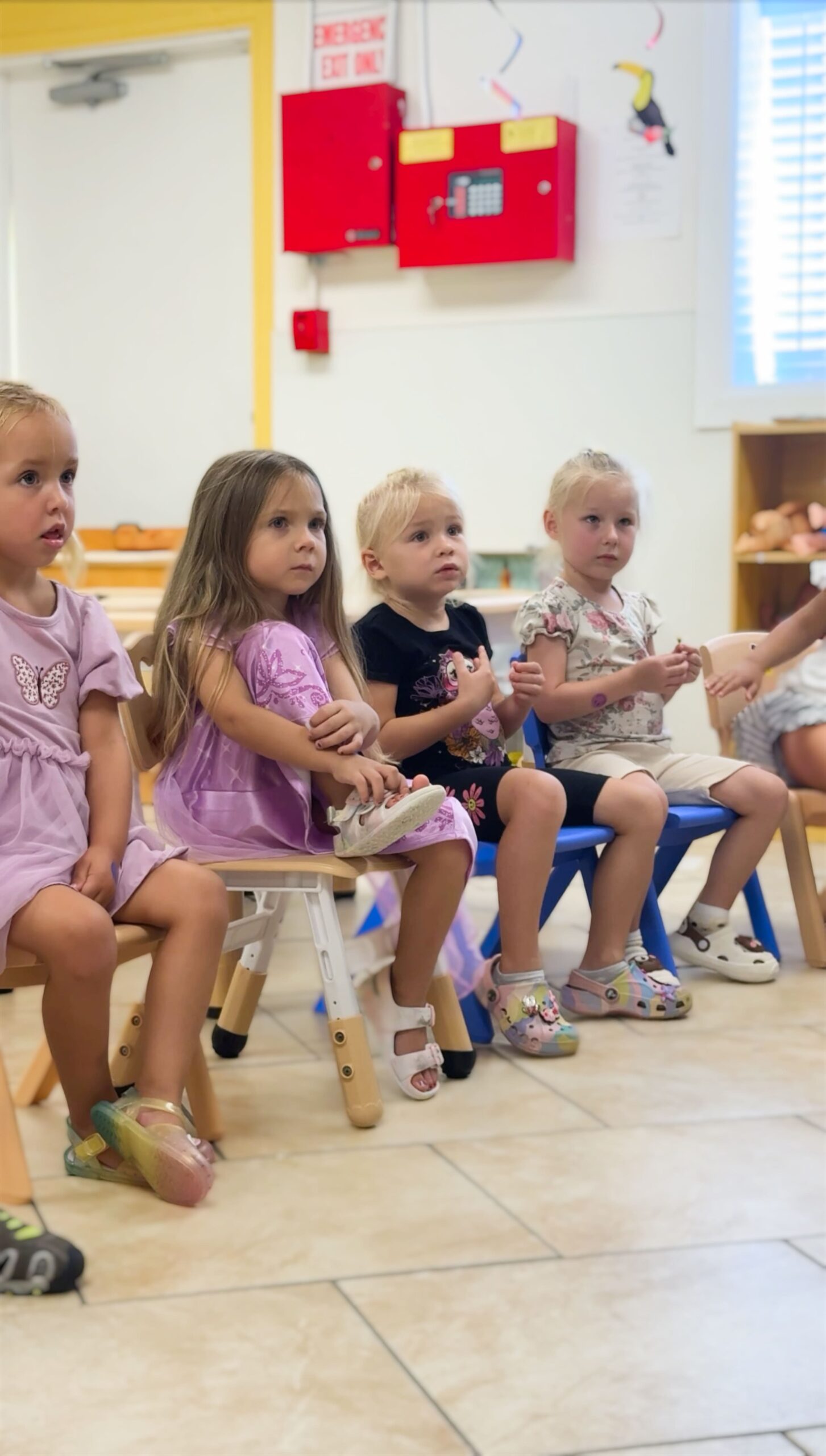
Reading books, singing songs, and discussing pictures to expand vocabulary. Encouraging children to express their thoughts and ask questions.

Creativity

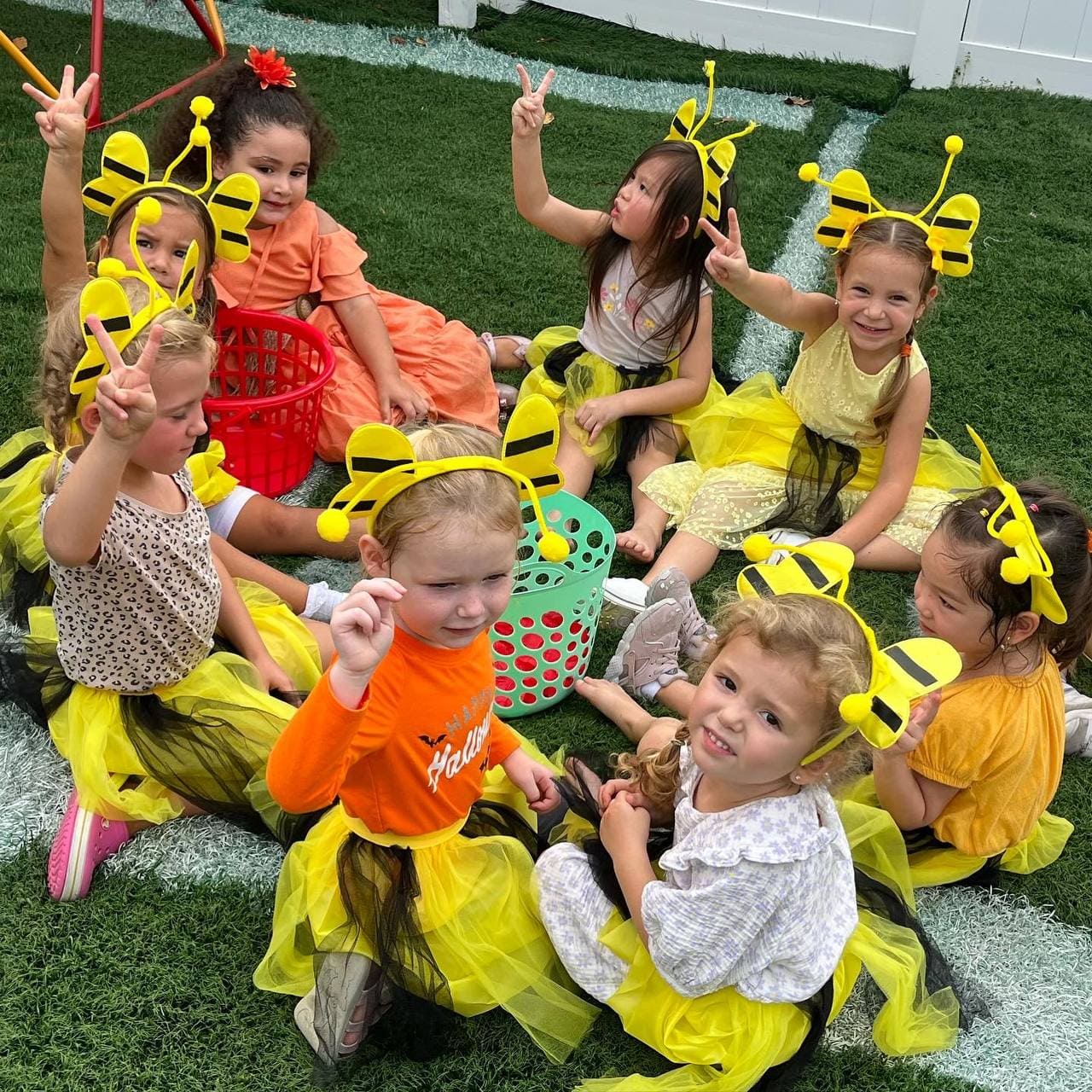
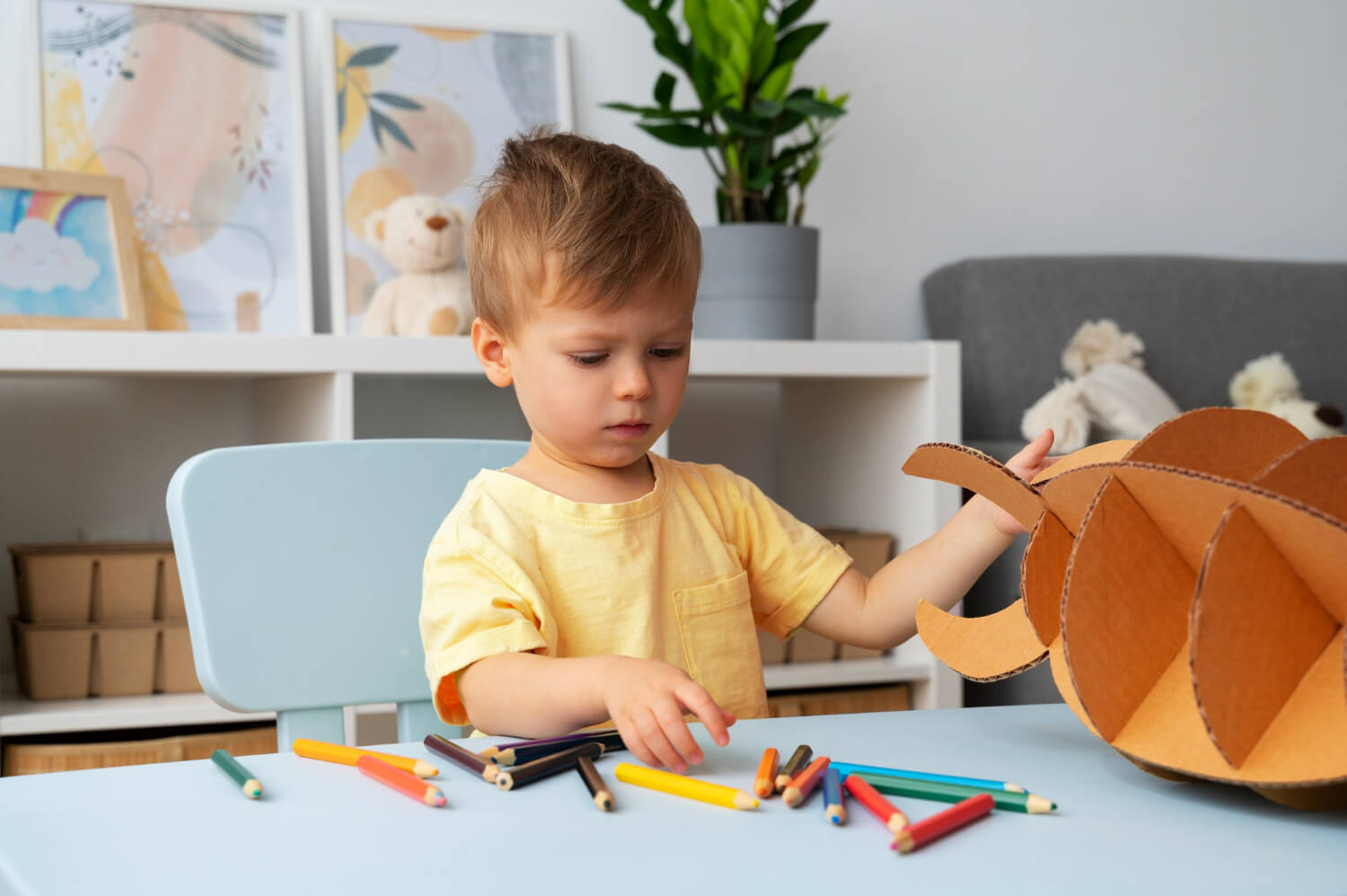
Drawing, sculpting, music, and dancing to foster imagination

Your kids happiness

Daily Schedule

Daily schedule
07:00 – 09:30 am
Morning Drop OFF
09:30 – 10:00 am
Breakfast Time
10:00 – 10:30 am
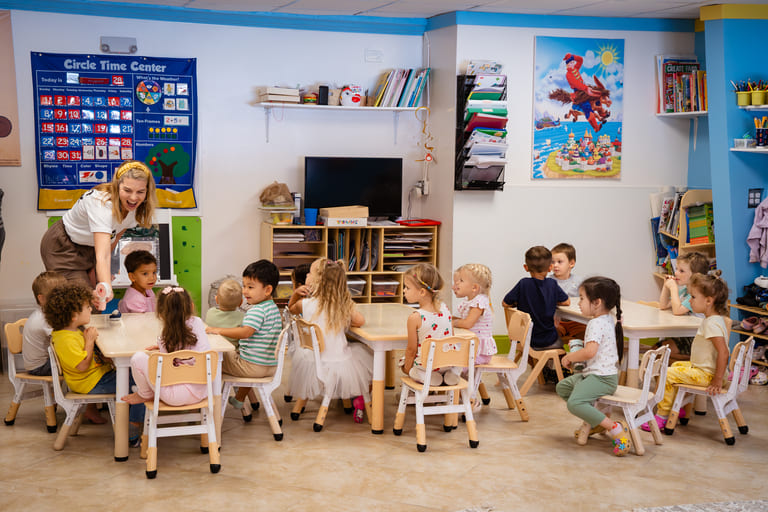
Circle Time (group gathering, check all the absent children, songs, Stories)
10:30 – 11:15 am
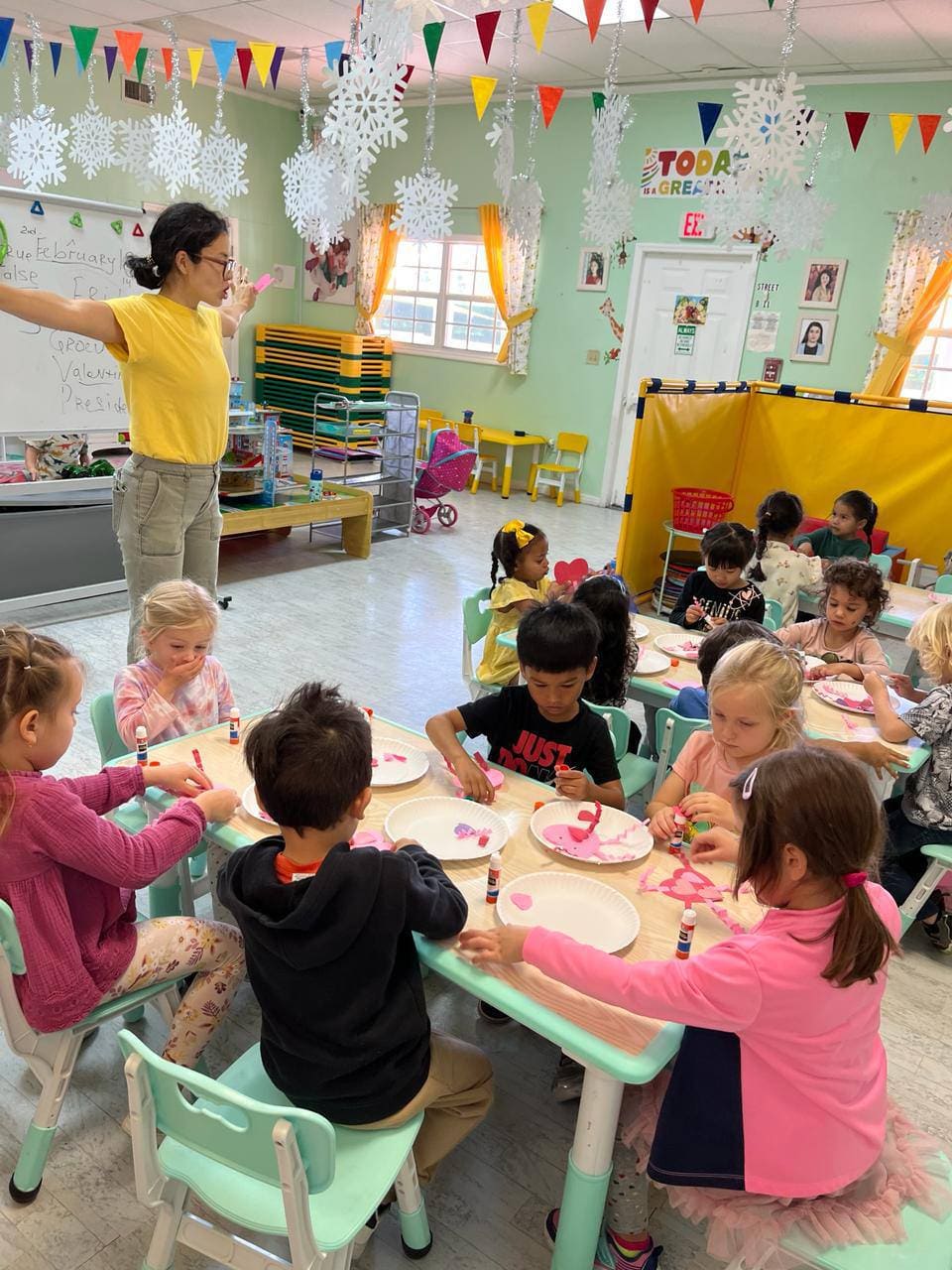
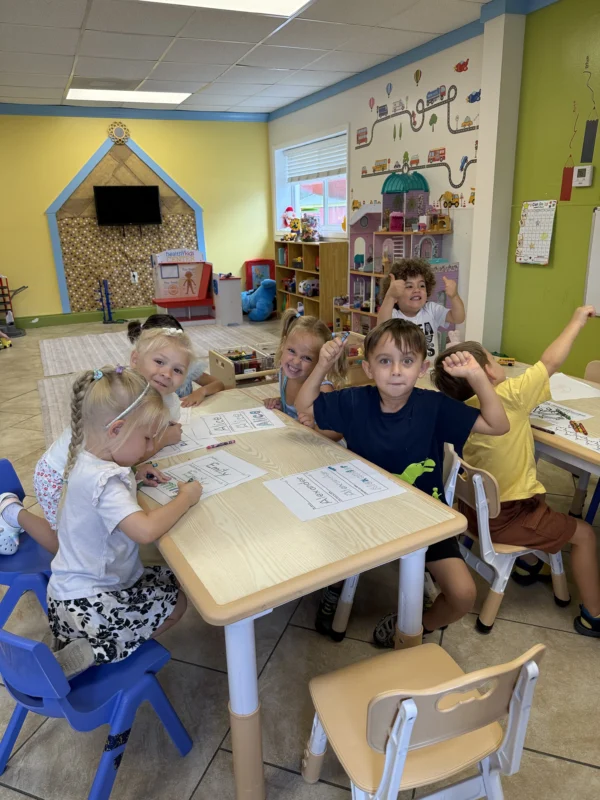
Structured Activities (Craft Projects, Learning Games, Sensory Time)
11:15 – 12:25 pm
Playground Time
12:25 – 12:35 pm
Return inside, wash hands, make beds, use Bathroom
12:35 – 1:00 pm
Lunch Time
1:00 – 1:30 pm
Soft Music, Getting ready for Nap
1:30 – 3:15 pm
Nap/Rest Time
3:15 – 3:45 pm
Getting up, cleaning beds
3:45 – 4:30 pm
Afternoon Structured Activities
4:30 – 5:00 pm
Dinner
5:00 – 6:30 pm
Free Outdoor/Indoor play, Evening Pick UP Time

Daily schedule
07:00 – 09:30 am Morning Drop OFF
09:30 – 10:00 am Breakfast Time
10:00 – 10:30 am Circle Time (group gathering, check all the absent children, songs, Stories)
10:30 – 11:15 am Structured Activities (Craft Projects, Learning Games, Sensory Time)
11:15 – 12:25 pm Playground Time
12:25 – 12:35 pm Return inside, wash hands, make beds, use Bathroom
12:35 – 1:00 pm Lunch Time
1:00 – 1:30 pm Soft Music, Getting ready for Nap
1:30 – 3:15 pm Nap/Rest Time
3:15 – 3:45 pm Getting up, cleaning beds
3:45 – 4:30 pm Afternoon Structured Activities
4:30 – 5:00 pm Dinner
5:00 – 6:30 pm Free Outdoor/Indoor play, Evening Pick UP Time
A Day In Our Twos Child Care Program

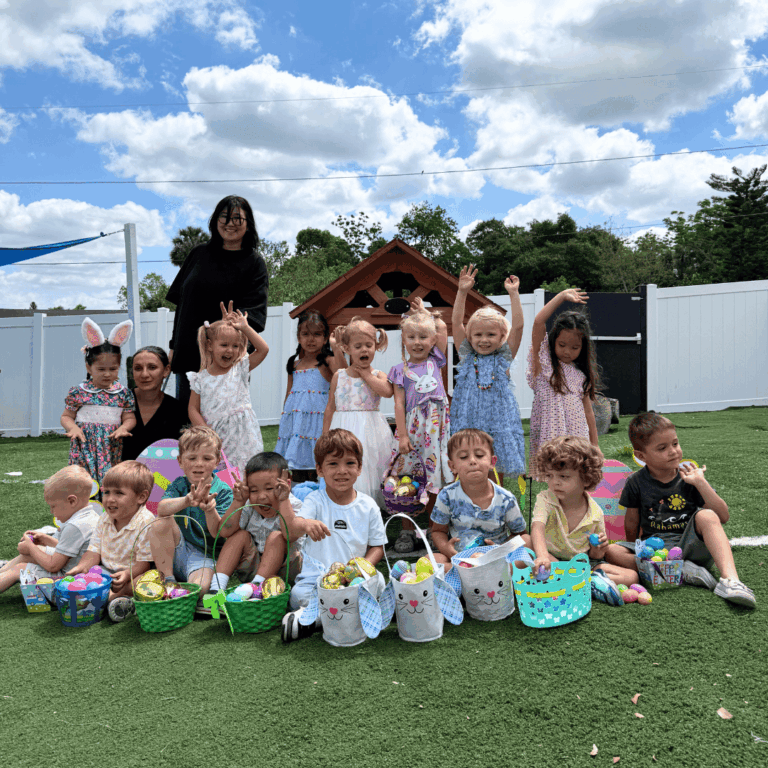
From cheerful hellos to cozy goodbyes, 2–3 year olds flow through snack, circle, centers, outdoor play, lunch, nap, and gentle afternoons. Short blocks match short attention, while language, movement, and connection keep stacking—quietly—into confidence. That’s the point.


Your kids happiness

Menu in Sunshine Daycare

Monday
  • Breakfast
    Barley porridge, fruits
  • Lunch
    Rice soup with chicken
  • Dinner
    Roast with cabbage and beef
Tuesday
  • Breakfast
    Sandwiches and cocoa, fruits
  • Lunch
    Meatball soup
  • Dinner
    Rice with chicken Teriyaki
Wednesday
  • Breakfast
    Semolina porridge, fruits
  • Lunch
    Chicken noodle soup
  • Dinner
    Pearl pilaf (Pearl groats, beef, vegetable oil, onions, carrots, tomato paste)
Thursday
  • Breakfast
    Pancakes with sour cream, fruits
  • Lunch
    Cream soup
  • Dinner
    Buckwheat with sausages and vegetables
Friday
  • Breakfast
    Corn porridge, sandwich with turkey and greens, fruits
  • Lunch
    Rassolnik (Beef broth, potatoes, pickles, carrots, brine, pearl quarters, vegetable oil, tomato, onion, sour cream, herbs)
  • Dinner
    Macaroni and cheese/(pilaf)
Сare children

We care about your children

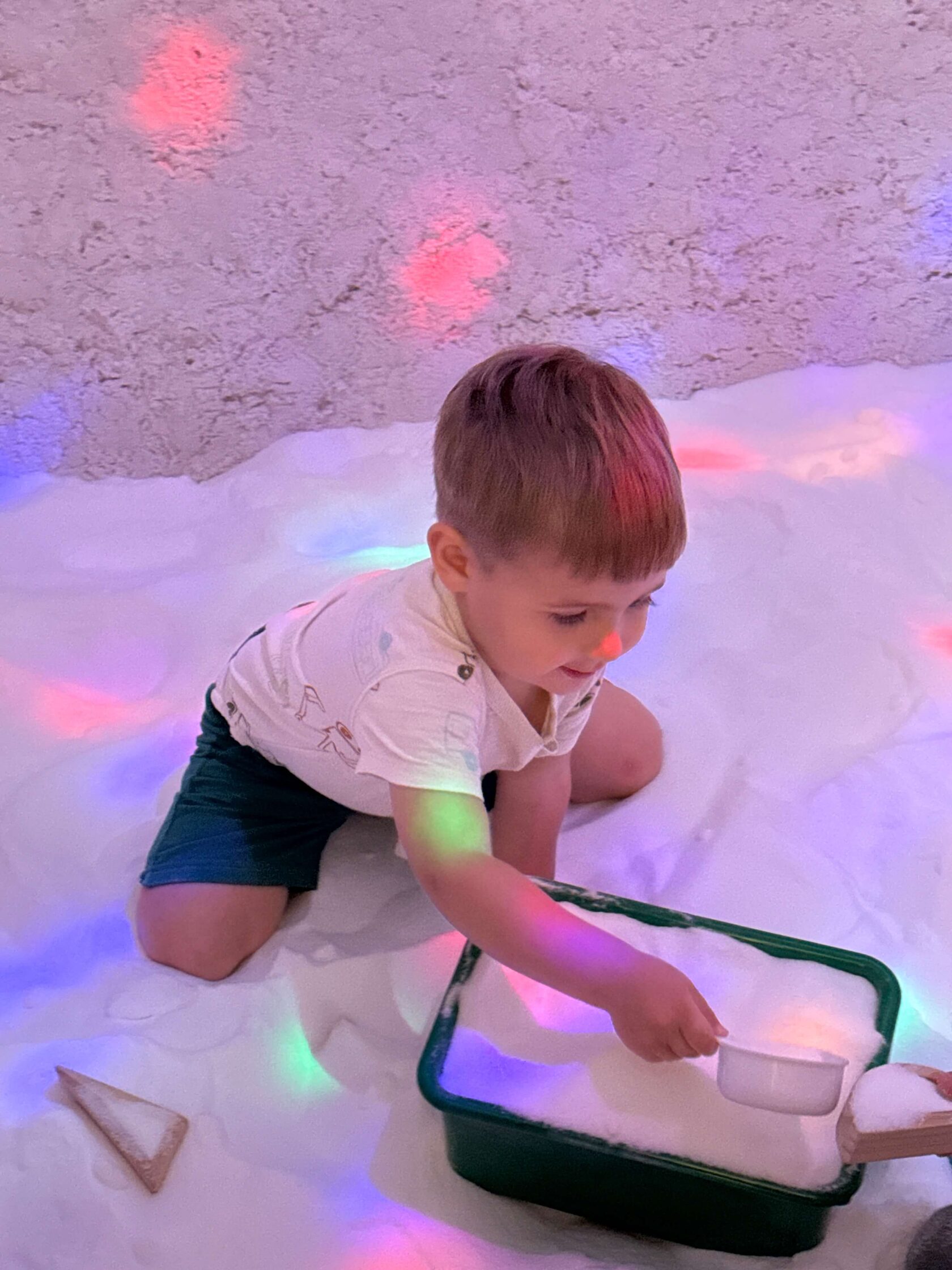
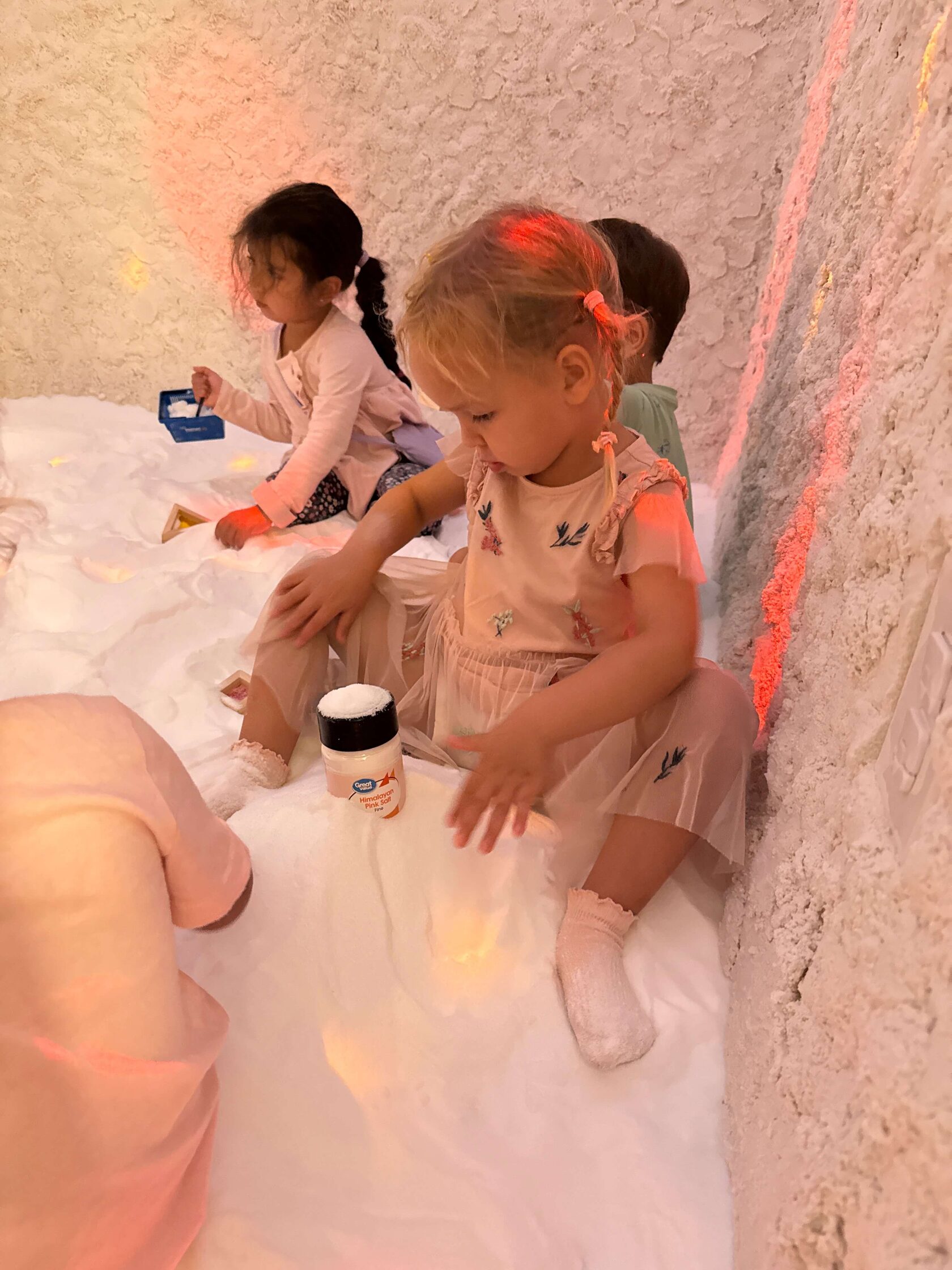
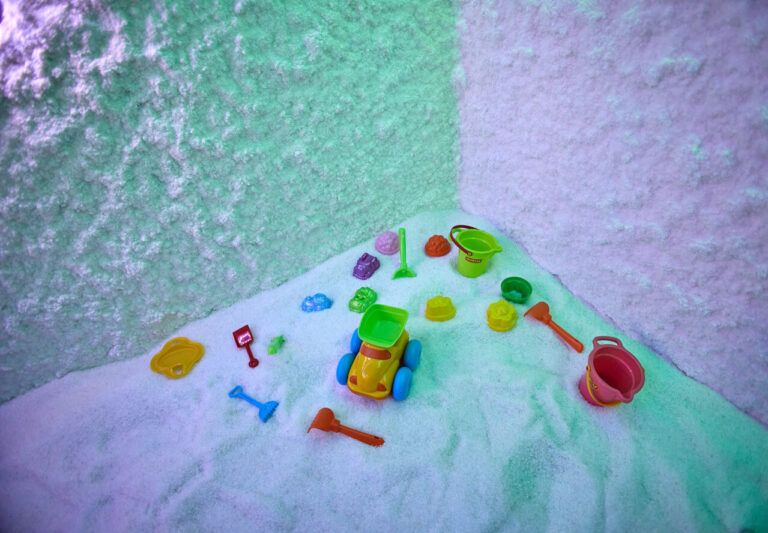
A salt cave (halotherapy)

Short, supervised sessions may soothe airways and help 2–3 year olds breathe easier when seasons shift.


Strengthening the Immune System

Clean air, steady routines, good sleep—simple habits that make small bodies sturdier.


Reducing Frequency of Colds

Consistent hygiene and air quality measures help cut the round-robin of sniffles.


Antibacterial Effect

Low-pathogen, sanitized spaces matter when curious hands touch every interesting surface.


Hypoallergenic Environment

Low-fragrance, low-dust choices keep play clear, bright, and comfortable.


Overall Strengthening of the Body

Outdoor time, safe movement, and unhurried rest build the stamina twos need for busy days.


Safety

Secured entries, room-level checks, age-appropriate materials—freedom inside a safe frame.


Prevention During Cold Season

Extra handwashing, tighter sanitizing cycles, adjusted groupings—same warmth, fewer germs.


Trusted by Families

Other related programs

Got Questions? We’ve Got Answers!

We’re here to make child care easy and stress-free. Explore our FAQs for quick answers to common questions about our services, pricing, and more.

How do you handle potty training for 2–3 year olds?

Together. We match your home plan—same cues, same words—and follow your child’s pace; teachers prompt gently, celebrate small wins, and never shame accidents. Readiness isn’t a date on the calendar; it’s a pattern we watch for, then support consistently.


What’s the staff-to-child ratio in the twos room?

Small on purpose. Lower ratios mean more language modeling, smoother transitions, and quicker comfort when emotions spike. It’s also how teachers notice the little things - fatigue, curiosity, frustration - before they become big things.


How do you approach separation anxiety in 2–3 year olds?

Brief goodbyes, a trusted teacher, immediate engagement. Long farewells stretch the worry; short ones build trust. Most children settle within minutes once a favorite activity appears. You’ll get updates - we know the first week is the hardest.


Are meals and snacks provided, and how do you handle allergies?

Yes - balanced menus, clear labels, thoughtful swaps. Allergy-safe plates look similar to peers’ so no one feels singled out. Teachers sit with children and model trying new foods; one “brave bite” is enough.


What does learning look like for 2–3 year olds—are there academics?

It’s foundational. Language pops during songs, pre-math hides in sorting and blocks, early writing lives in scribbles. Self-help and social skills are the glue. Think of it like building the runway before flight - it’s where confidence takes off.